
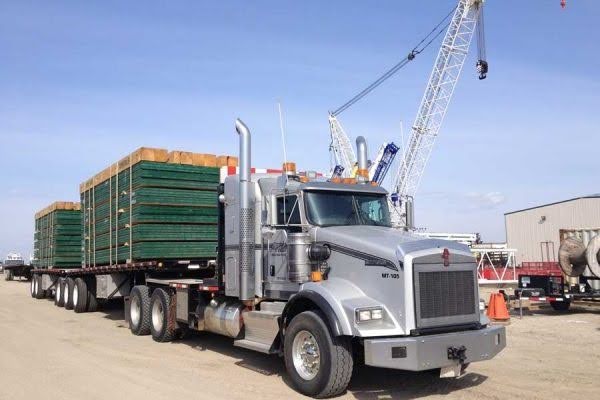

Every project depends on more than labor, equipment, and materials. Crews also need reliable communication, safe access, accommodations, lighting, water and sewer services, and responsive support when conditions change. When one of those pieces fails, the effects can spread quickly across the schedule.
That is why a service-first provider matters. Instead of simply dropping off equipment and moving on, the right partner stays involved, monitors performance, responds to issues, and helps the site adapt. Strong jobsite continuity services reduce avoidable disruptions and give field teams the support they need to keep working.
Continuity Starts Before Crews Arrive
Many delays begin before a visible problem occurs. A critical unit may be unavailable. A communication plan may not match the site layout. Lighting may be insufficient. Billing may be fragmented across locations.
A service-first provider looks at the full operating picture before deployment. That means asking how crews will communicate, where equipment will be placed, what access conditions may affect delivery, how assets will be tracked, and what support will be required afterward.
This approach turns project continuity services into an operating strategy rather than an emergency response. The goal is not to assume nothing will go wrong. It is to prepare the site so problems can be identified, escalated, and resolved without unnecessary delay.
One Provider Can Reduce Coordination Gaps
Projects often rely on several vendors for connectivity, lighting, matting, accommodations, logistics, water supplies, and other essentials. When those providers work independently, project leaders can lose time determining who owns a problem.
A service-first jobsite provider helps close those gaps by coordinating multiple needs through a unified support structure. Teams have fewer handoffs, clearer points of contact, and better visibility across the site.
This is especially valuable when a project spans multiple locations or phases. Requirements may change as crews expand, work zones shift, or temporary facilities move. An engaged provider can adjust services, coordinate replacements, and maintain jobsite uptime support without forcing the customer to restart with a different vendor.
Visibility Helps Teams Act Before Downtime Spreads
A site manager cannot fix what no one can see. Real-time visibility is an important part of field operations support because it helps teams spot emerging issues before they become larger disruptions.
EnerStar360 Advanced Support provides a management portal with fleet and asset management, segmented billing and usage reports, geo-localization, and remote diagnostics. Real-time notifications can alert teams to performance changes, connectivity incidents, and maintenance updates.
That visibility supports faster decisions. If a connection becomes unstable, troubleshooting can begin before the site goes offline. If an asset is in the wrong location, the team can locate it without a long chain of calls. If usage changes unexpectedly, managers can investigate while the information is current.
Remote project support is most effective when it combines useful data with knowledgeable people who can act on it.
Responsive Support Keeps Small Problems Small
Even well-planned sites encounter equipment faults, weather changes, access issues, and unexpected demand. What matters is how quickly the support team responds.
EnerStar360 includes 24/7 network operations center monitoring, incident response with service-level escalation, root-cause analysis, proactive maintenance, and advanced technical troubleshooting. A dedicated account manager gives customers a consistent point of contact for faster, more personalized resolution.
That structure protects jobsite continuity services in two ways. Continuous monitoring can identify issues field teams may not notice immediately, while a clear escalation path reduces time spent figuring out whom to call or repeatedly explaining the problem.
For project leaders, responsiveness is part of maintaining production. A slow answer can leave crews waiting, delay reporting, or interrupt coordination. Fast support keeps attention on the work instead of the outage.
Reliable Inventory Helps Prevent Supply-Chain Delays
Support means little if replacement equipment is unavailable. Projects in remote areas cannot always wait days for a critical component to arrive.
A service-first provider plans for both availability and deployment. EnerStar360 offers reliable access to inventory, helping reduce delays when equipment must be replaced, expanded, or reconfigured. Priority access to Starlink-certified hardware can also support organizations that depend on connectivity where conventional options are limited.
EnerStar Solutions is an Authorized Reseller of Starlink and can pair hardware access with deployment coordination, technical support, and ongoing account service. That creates a more complete continuity plan than purchasing equipment alone.
Flexible Service Supports Changing Conditions
Jobsites rarely stay static. Headcounts grow. Crews move. Schedules extend. New work areas open. A storm, wildfire, outage, or access restriction can change priorities overnight.
Rigid service models create friction during those transitions. A service-first provider can adapt by changing equipment quantities, adjusting billing, relocating assets, expanding communications, coordinating accommodations, or modifying a jobsite setup for a different phase of work.
EnerStar360 offers customized billing models, segmented reporting, and budget-aligned structures to help customers manage evolving requirements without losing financial visibility. This matters because operational flexibility must also work for procurement and accounting teams.
Flexible project continuity services give field teams room to respond without creating confusion behind the scenes.
Deployment Quality Affects Long-Term Uptime
Fast deployment is important, but speed alone is not enough. Equipment must be placed, connected, and configured correctly for the site’s conditions.
EnerStar360 includes certified installation services delivered by trained teams. A thoughtful deployment can reduce avoidable outages, improve performance, and make future troubleshooting easier. It also helps confirm that the equipment, location, and configuration support the project’s operating needs.
Remote and industrial sites may involve difficult access, limited infrastructure, moving assets, harsh weather, or several crews sharing resources. A provider familiar with those conditions can coordinate a practical setup from the beginning and continue supporting it as the project changes.
Strong jobsite uptime support begins with getting deployment right, then backing it with monitoring, maintenance, and responsive service.
A Dedicated Partner Improves Accountability
When every issue goes to a different representative, customers spend time rebuilding context. A dedicated account manager helps maintain continuity in the relationship and at the jobsite.
That person can understand the project’s history, priorities, locations, billing structure, and recurring challenges. Instead of treating each request as an isolated ticket, the provider can respond with the larger operation in mind.
This is useful for procurement teams, IT leaders, project managers, and field supervisors who need a single provider to coordinate daily service and long-term planning. Recurring issues can be addressed, patterns identified, and future deployments can benefit from lessons already learned.
Service-first support is not only about answering faster. It is about knowing the customer well enough to provide a better answer.
Keep the Jobsite Focused on the Work
A project loses momentum when supervisors become vendor coordinators, crews wait for answers, or managers lack visibility into equipment and connectivity. The right provider removes those distractions by staying involved from planning through deployment and ongoing support.
EnerStar Solutions delivers customized services for remote and demanding environments, including communications, accommodations, lighting, matting, logistics, water supplies, and other job-site essentials. Through EnerStar360 Advanced Support, customers can also access continuous monitoring, remote diagnostics, real-time alerts, dedicated account management, reliable inventory, flexible billing, and priority escalation.
Together, those capabilities provide remote project support and field operations support built around continuity, responsiveness, and visibility.
When a provider treats service as part of the solution, not something added after a problem occurs, projects are better prepared to handle change, reduce downtime, and keep crews moving toward the next milestone.
Get a Tailored Solution from EnerStar Solutions.