


The Rundown:
- Remote crews can struggle to get supplies and repair crews, so missed service visits can be costly because work stalls.
- Consistent weekly service and cleaning keep restrooms, wash stations, and shared spaces safe and clean.
- Good sanitation and equipment that remains in proper operation result in crew health, compliant workers, and increased morale
- A scheduled weekly routine is easier to keep track of than managing problems after they pile up.
What Makes Remote Jobsites Different?
Remote jobs don’t have the built-in safety nets urban jobs do. Facilities or retail spaces may not be nearby to borrow or replace equipment, cleaning supplies, and other necessities if they run out between services.
Distance can mean delays. If equipment has a problem, a service truck may take hours to reach the jobsite for repairs or replacements. What might be a small issue in urban areas can become a full day or more of lost production on a remote jobsite.
On a remote jobsite, the crew often sleeps and eats on the site. Projects can run for weeks or even months, so camps, mobile offices, sleeping quarters, and restroom facilities become crucial for keeping crew members safe and comfortable.
What Weekly Service and Cleaning Should Include
A solid weekly service and cleaning routine should include a repeatable checklist to keep the entire site functional and safe. Services that may be included are:
- Pumping and cleaning portable restrooms
- Refilling potable and hand-wash water
- Restocking items such as toilet paper, sanitizer, and soap
- Removing trash and debris from common areas
- Inspecting units and equipment for damage, leaks, maintenance needs, or vandalism
Some providers also offer worksite support services, including lighting checks, trailer upkeep, and water tank monitoring. This allows a single visit to cover as many needs as possible.
Keep Crews Healthy with Better Sanitation
Illness spreading between crew members is a hidden cost on many job sites. One sick worker can slow a task and spread infection to several people. Regular jobsite sanitation services reduce illness risk.
Clean restrooms and stocked hand-washing stations help slow germ spread, especially where workers share break areas, tools, and vehicles. Properly cleaned and maintained facilities also help improve worker morale. Crews work better when their basic needs are met.
Keep Your Jobsite Compliant
Sanitation isn’t an option if you want a compliant jobsite. In the US, OSHA sets minimum cleanliness standards for toilets, washing facilities, and drinking water on construction sites. Clients and landowners also add their own requirements you must follow.
Documenting a weekly schedule makes regular inspections easier. It shows your facilities are properly maintained, so you can meet minimum standards when an auditor, client, or landowner requests written proof of service.
Proper waste handling also helps prevent spills and other issues that can harm surrounding soil and water. This is especially important in environmentally sensitive areas and will keep you in good standing with whoever granted your site access.
Protect Equipment and Your Project
Dirt and debris on the jobsite won’t just affect your crew. Mud tracked onto trailers, trash blown across a laydown yard, or standing wastewater can create hazards and damage to your equipment. Jobsite cleaning services help keep these issues under control. Cleaning walkways, equipment, and staging areas helps prevent injuries and unnecessary machinery damage.
Design a Weekly Schedule that Works for Your Crew
Keep a handful of items in mind when designing a weekly service and cleaning schedule.
Keep a Headcount
Start by tracking how many people are on the jobsite and how many hours they’re on site. This will determine how much water you need, how many units you have, and how often you need service. Heavy use will require more frequent service visits.
Map Your Access
Ensure service trucks and other equipment can reach each unit, even in wet and inclement weather. Be sure to inform your service provider about any locked gates or road limitations.
Set a Consistent Schedule
Consistency helps your crew know what to expect and helps your service provider, too. Ask for a service report after each visit so you can track patterns, such as a unit that regularly fills faster than anticipated.
Keep the Unexpected in Mind
Plan for storms, holidays, and unexpectedly busy seasons or crew surges. Determine in advance what you should do if you need an extra visit.
Common Mistakes to Avoid
To make the most of your service visits, avoid these common mistakes.
Don’t underestimate usage.
Keep numbers in mind as crews ramp up production.
Don’t skip services.
Even during slow weeks, it’s better to keep your appointment. There will still be waste to deal with and supply usage.
Don’t ignore small issues.
Even something as simple as a broken latch or an empty soap dispenser can become a bigger problem if you leave it unresolved.
Don’t rely on a single point of contact.
Make sure you have a backup contact person in case your usual POC is away.
Keep up With Living and Office Spaces
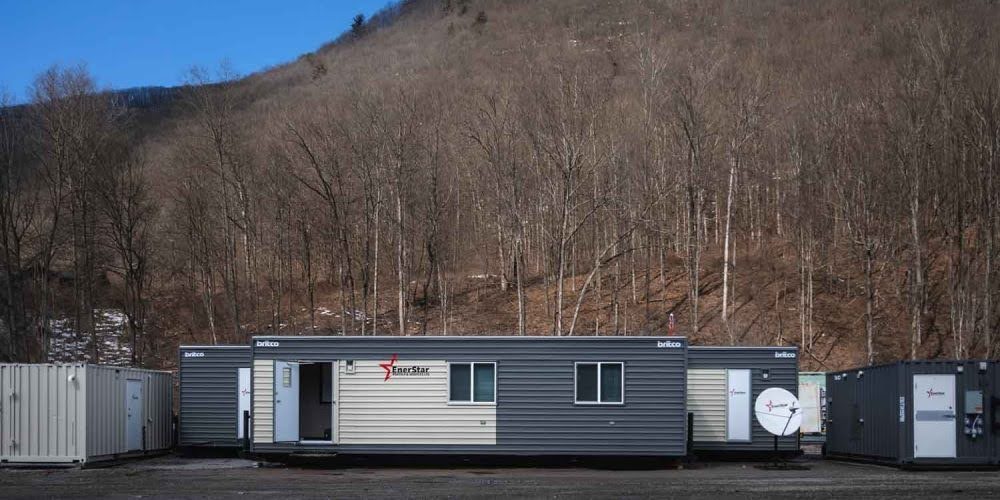
If your jobsite includes accommodation facilities or mobile office trailers, make sure your service routine covers those as well. These spaces have daily traffic and can become dirty quickly. Ask whether your jobsite cleaning services include trailer cleaning, water tank checks, and waste pickup during the same weekly visit.
Fewer trips mean fewer gaps and fewer service visits to coordinate. Providers that offer accommodations and camp support, such as EnerStar Solutions, can often combine these services into a single schedule.
Choose the Right Service Partner
Look for a provider that understands the logistics of remote sites and worksite support services, including response times and how they handle after-hours issues. Using a single provider for energy services and worksite solutions can also simplify coordination of essential services such as water, lighting, and sanitation.
Be sure to request sample service logs and ask how they report missing visits. Clear communication is essential when running a remote jobsite.
You should also be clear on how they handle seasonal changes. Freezing winter temperatures and hot summer heat require special attention to protect your crew and equipment.
Keep it Simple
Remote jobsites run best with a stable routine. Reliable weekly cleaning service helps keep crews healthy, equipment safe, and downtime low. Pair this with reliable jobsite sanitation services and a clear, consistent plan. Contact EnerStar Solutions today!