


The Rundown:
- A full-service jobsite partner handles delivery, product rental, maintenance, setup, removal, and tech support under one agreement.
- Fewer vendors often mean fewer coverage gaps and fewer headaches.
- Reliable jobsite support matters most on remote sites where fixes can be slower and downtime more costly.
What Does Full Service Mean?
The term “full service” gets thrown around a lot, so it may be helpful to define what it really means. A full-service jobsite partner provides equipment and services while delivering, setting up, tearing down, and maintaining rentals for the duration of the job. This means you can coordinate with one vendor for multiple jobsite solutions.
Think of it as the difference between buying car parts and hiring an auto technician. One gives you the materials you need, while the other also gives you accountability for fixing your vehicle.
For jobsites, one company may not handle everything directly. But it does mean a single company owns the planning, schedule, and communication, even when subcontractors are involved.
What Full Service Covers
The scope of what you can expect with full service worksite partners will vary from company to company, but there are usually a few services you can count on being included. These are:
- Planning and site assessment before anything ships out
- Delivery, placement, and installation of equipment
- Ongoing servicing, refills, and cleaning
- Monitoring repairs and replacements
- Pickup and removal when the project is over
With a full-service jobsite vendor, you can focus on your team and project without worrying about whether your equipment and accommodation rentals are working as they should.
Get Equipment and Services From One Place
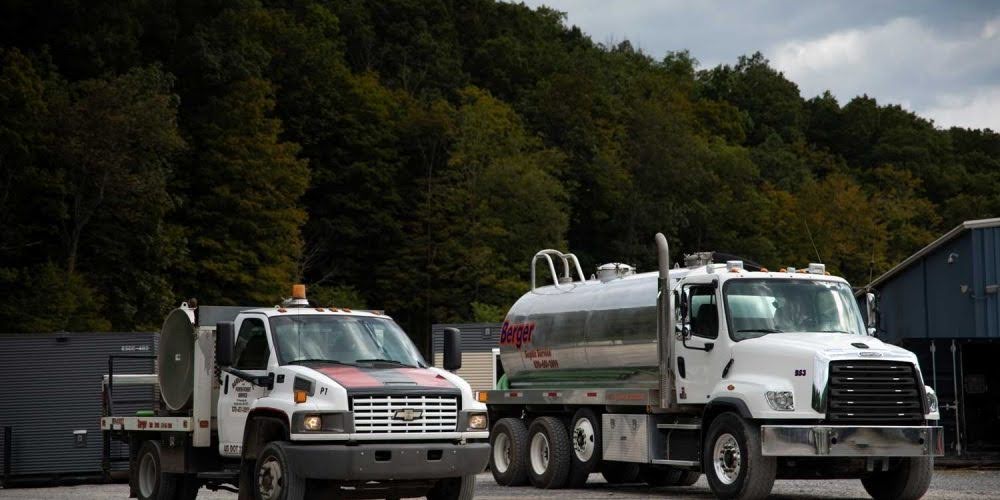
Many remote projects need the same basics: lodging, power, water, lighting, restrooms, trailers, matting, and connectivity. Getting jobsite equipment and services from separate vendors means more contractors, schedules, and phone calls to manage.
Bundling services with a single provider can drastically cut overhead. You will have a single point of contact for everything from adjusting water deliveries to swapping out a trailer and cleaning your restroom facilities.
It can also help uncover potential issues earlier. For instance, if a lighting plan blocks the placement of other equipment, one coordinator is more likely to spot it before crews show up.
Setup Is More Important Than You Think
The first week on a new project is important for setting the tone. Quality jobsite setup services ensure units are placed where they’re needed, power and water are connected and ready to use, and access routes are clear for crews and equipment.
A poorly set up jobsite creates problems that can last beyond those first few days. A restroom too far from the work area gets skipped. A trailer on soft ground can shift and become damaged. Fixing either issue costs more than getting it right the first time.
A good partner will walk the jobsite, assess the ground and layout, ask about crew size and work phases, and develop a plan that works for you and your team.
Jobsite Logistics Can Make All the Difference
Getting equipment and people to a remote site is only part of the job. Worksite logistics support covers additional issues like permits, routing, scheduling, weight limits, and contingency plans for road closures or inclement weather.
Logistics are one of those things that, when handled correctly, nobody notices. Deliveries arrive on time, services happen when needed, and replacement items are ready before the old ones fail. When logistics are poorly handled, everyone notices. Jobs stall, schedules slip, and costs rise.
Jobsites are Complex
Imagine you’re running a 40-person crew several hours from the nearest town. Your employees will need lighting, potable water, lodging, restrooms, internet connectivity, and mobile office setups. When you work with six different vendors, that’s six separate contracts, contacts, schedules to track, and systems to set up.
With one partner, we cover all of this under a single contract and point of contact. You get the same equipment and service, but you spend much less time coordinating with vendors and more time running your jobsite.
Get Ongoing Support From Day One
Setup is just one part of the puzzle. Dependable jobsite support continues for the life of your project, with regular service, quick response times, and flexibility when the scope of your job changes. Find out how your full-service partner handles after-hours issues, such as equipment failure or a water shortage. How do they handle issues that can’t wait for Monday morning?
Also, make sure your partner keeps accurate reports, including service logs and inspection notes. Documentation should be easy to access when you need it.
Signs You’ve Chosen The Right Partner
If your vendor is reliable, you may notice that:
- They ask about your project and scope before quoting
- They name a single point of contact
- They share references from similar job sites, not just sites using similar equipment
- They explain what happens if things go wrong
- They adjust services as your needs change
A true full-service jobsite partner becomes a real extension of your team, not just a supplier.
When Full Service Isn’t the Right Fit
Full-service arrangements may not suit every project. Shorter jobs with simple needs may be fine with a single rental and delivery. Specialized equipment may also require a dedicated supplier with expertise most companies don’t have.
You should always match your arrangement to your project’s length, location, and level of complexity. The longer the duration and the more remote the location, the stronger the case for hiring a full-service vendor.
Choosing a Vendor: What to Ask
Here’s a short list of questions to ask a potential full-service vendor before signing a contract:
- Who manages day-to-day operations?
- What is your typical response time during business hours? After hours?
- Which services can you deliver directly?
- Which services do you subcontract?
- How do you handle changes in project or rental scope?
- What reporting will I receive?
Pay attention to their answers, but also to how clearly and confidently they present them. You want to partner with a company with clear protocol in place.
Getting Started
List everything your site will need, from lodging to lighting to matting. Sort items into two separate groups. Which ones need a specialist and which could be handled by a single partner? Share your list with any prospective vendors and compare responses. The best ones will ask for follow-up or clarification. They may also discuss situations or risks you may not have considered and offer solutions.
For an example of how one provider organizes offerings, see EnerStar Solutions’ energy services and worksite solutions.
Focus on Outcomes and Not on Titles
A real full-service jobsite partner will cut the number of things your team has to focus on, so they can spend more time focusing on the job itself. Make your list, and ensure your partner can handle the logistics of all important jobsite solutions within their area of expertise. A full-service partner means getting more for your investment, with a single point of contact you can trust. Reach out to EnerStar Solutions today!