


The Rundown:
- Spec sheets show what a product is, but not how it will perform on a real job site.
- Procurement teams weigh service, logistics, and support to reduce surprises.
- Better procurement planning looks at total cost vs. simply unit price
- A few extra questions during vendor review can help prevent weeks of downtime
The Spec Sheet Is Only Part of the Story
Specs are a necessary starting point. You need to understand dimensions, capacity, load ratings, and certifications to know whether a product can handle your job on paper. However, they can’t show you everything, such as whether it shows up on time, gets set up correctly, or gets serviced when something goes wrong. Those are the gaps where projects lose time and money.
For example, imagine a generator where every power requirement is met, but it arrives three days late. Or you order a trailer that fits on your job site, but you have no one to maintain it once it arrives. The product was right, but the outcome wasn’t. Experienced procurement teams can make the difference.
Where Product Specs vs Service Support is a Problem
Weighing product specs vs service support matters for most remote job sites and long-term projects, where fixing a problem can be time-consuming and costly. A few situations can expose that gap quickly:
- Delivery windows depending on road access or weather
- Equipment that requires routine servicing, maintenance, or cleaning
- Multi-vendor sites where no one owns the full scale of the project
- Projects that scale up or down quicker than planned
In all of these cases, the spec sheet may look fine, but that doesn’t determine whether a job stays on schedule.
What’s Really Included in Total Cost?
Unit prices are the simplest numbers to compare, so they often win when comparing items. But this isn’t the full story. Unit costs can hide costs that show up later. These can include mobilization and demobilization, repeat orders for missed supplies, idle crew time, emergency call-outs, and time spent tracking down or contacting vendors.
A slightly higher up-front price from a vendor that includes all of this as part of the package, along with ongoing upkeep, can actually cost less over the span of a project. Good procurement planning puts those numbers side by side for a fair comparison before you sign on that dotted line.
Questions to Ask During Vendor Selection
A strong vendor selection process looks beyond pricing and certifications, though those aspects matter. Add questions that allow you to see how the vendor performs after the purchase order is signed. A few examples include:
- Who is responsible for delivery, setup, and removal?
- What is the usual response time for a service call?
- Do they have local crews or do they rely solely on third-party contractors?
- How do they report on completed work or missed service visits?
- What happens if there is a call during bad weather or after hours?
- Can they scale up or down mid-project?
Be sure to get references from similar sites, not only for companies using similar products. A vendor can perform well at a conventional paved site but struggle in a remote location.
Why Consider Bundled Services
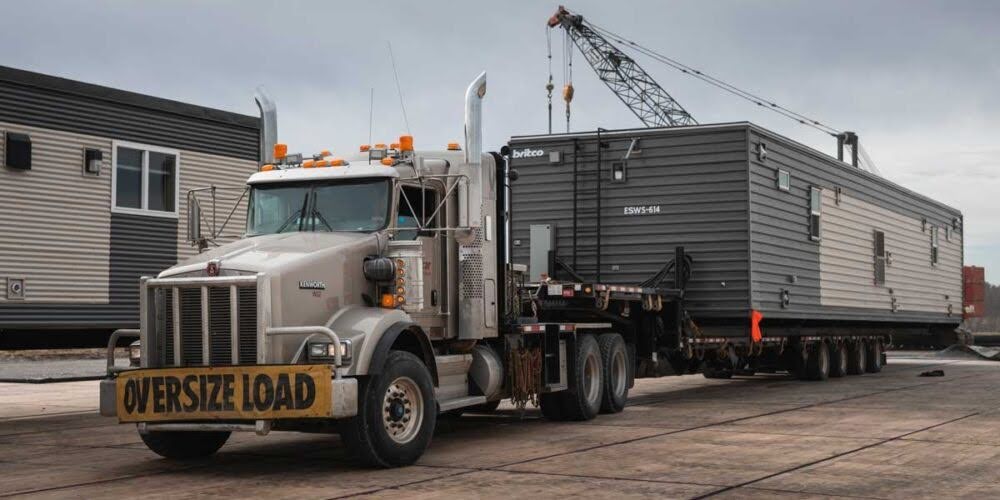
Most job sites need several services, including water, power, equipment, lighting, restrooms, trailers, communications, and matting. They may also need additional services, such as accommodations. Using separate vendors for each service means tracking numerous schedules, contracts, and points of contact. This adds numerous potential points of failure.
This is one reason some procurement teams are choosing managed jobsite services. That’s where a single provider coordinates delivery, upkeep, and replacement across numerous categories.
A single vendor is not only more convenient, but it also means faster decisions, clearer accountability, and less time spent sorting through paperwork to keep everything straight.
While you may still need an outside service provider for items like specialized equipment, choosing managed jobsite services for the basics can help simplify your business considerably.
Building Service Into Procurement Planning
Procurement planning starts before you submit your first quote request. Keep these issues in mind.
Define the outcome you’re looking for.
Don’t just name the product you need. Name what you need to accomplish, with how many people, in what conditions, and over what length of time. This allows vendors to propose solutions they offer to fit your needs.
Consider service in your decision.
If vendors know they are competing on price, then they will focus on price. Give real weight to providers who offer good response times, reliability, reporting, and ongoing service after you’ve signed on.
Involve your team.
Site supervisors know what runs out, breaks, and what slows the crew down. Get their input when choosing a vendor that meets your requirements.
Keep change in mind.
How do vendors handle needing to scale a job up or down mid-project, changing equipment, or altering service frequency?
Red Flags to Watch for In a Vendor
A few warning signs you should watch for when interviewing vendors include:
- Vague service terms or response times
- No named point of contact
- No plan for weather or access problems
- Pricing that leaves out setup and removal
- Reluctance to share references
None of these issues alone mean a vendor is not a good choice, but each one is worth a direct question. Several together may be more of a reason to pause.
Working With Your Field Team
Procurement teams and operations usually see the same project differently. One focuses on compliance, and the other on whether crews can start right away. You can help bridge this gap with a short pre-bid meeting. Check on site conditions, schedule risks, and previous issues. Then, collect feedback. Did the vendor arrive on time? Were issues resolved quickly? Use this information in your next vendor selection process.
View the Whole Picture
Specs will always be important, but they are only part of the puzzle. When you compare product specs with service support, the vendor with stronger support often delivers better results.
For one example of how a provider structures a wide range of site offerings under a single vendor, see EnerStar Solutions’ energy services and worksite solutions.
Keep Your Goal in Focus
The best procurement teams treat service, logistics, and accountability as part of the product they buy. Before you make another purchase, make sure to add a few service questions to your vendor review. Knowing the specs is an important first step in choosing a partner, but the service you receive after you sign the contract will make or break your project. Contact EnerStar Solutions today!